
The Global Tapestry of Culture: Weaving Tradition and Comfort
In an increasingly interconnected world, fashion and home decor serve as powerful conduits for cultural expression, heritage, and identity. What we wear and how we adorn our living spaces often tell a story—a narrative of where we’ve been, what we value, and where we’re going. This article explores how specific items, from the proudly worn African shirt to the comforting embrace of a sherpa blanket, become threads in the vibrant, global tapestry of culture.
The Pride of the African Shirt
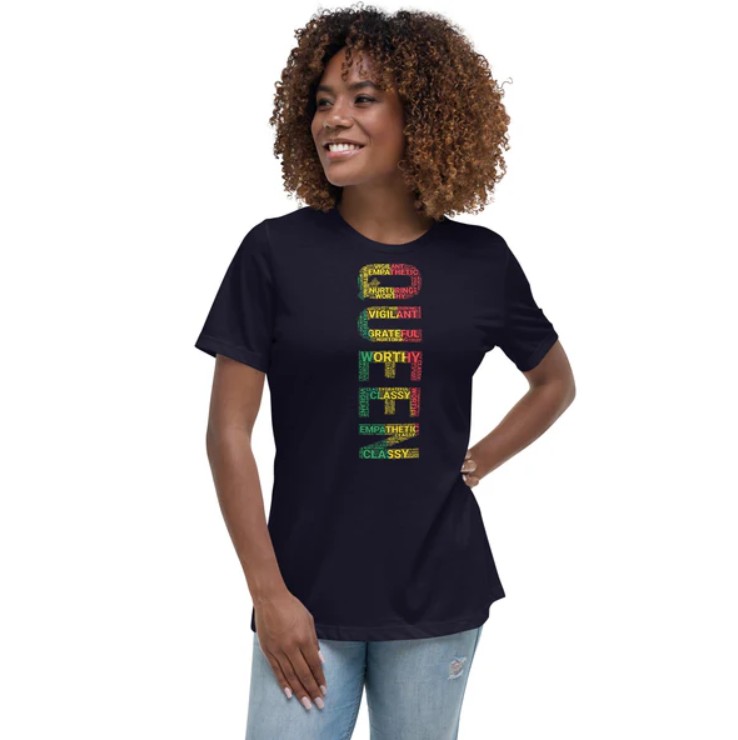
The African shirt, more than just a garment, is a statement of heritage and artistry. Characterized by vibrant colors, intricate patterns, and bold designs, these shirts are a celebration of the diverse cultures across the African continent. From the geometric precision of Kente cloth originating from Ghana and Togo, to the fluid, wax-resist patterns of Ankara (or Dutch wax print), each fabric and pattern carries historical significance, often communicating social status, familial lineage, or spiritual beliefs.
Wearing an African shirt transcends a simple fashion choice; it is an act of cultural affirmation. It can be seen on world stages, in professional settings, and at festive occasions, symbolizing pride, unity, and a connection to roots. Designers—both on the continent and in the diaspora—are continuously innovating, blending traditional textiles and motifs with contemporary cuts, ensuring the African shirt remains relevant and stylish for a global audience. The impact of this clothing goes far beyond aesthetics; it supports local economies, preserves artisanal skills, and educates the world about Africa’s rich textile legacy.
The Regal Statement of the African Hat
Complementing the shirt, the African hat serves as another crucial element of cultural attire, often bearing even deeper symbolic weight. Historically, headwear in Africa has indicated rank, wealth, and power. Consider the Zulu ceremonial headpieces, the Nigerian fila (often worn with the agbada), or the Senegalese kufi. Each style is distinct, reflecting regional identity and tradition.
The choice of fabric, the height of the crown, and the way the hat is folded or tied can all convey specific messages. For instance, the traditional Yoruba fila might be worn differently by a married man versus a bachelor. The African hat often completes the ensemble, providing a regal finish and a final punctuation mark to the wearer’s cultural narrative. Together, the African shirt and African hat form a powerful visual language that speaks volumes about identity and respect for ancestral traditions.
Barbados Clothing: Sun, Sea, and Style
Shifting focus to the Caribbean, the clothing of Barbados offers a different, yet equally compelling, cultural expression—one shaped by its island environment, history, and celebratory spirit. Barbados clothing is a vibrant blend of practical lightweight fabrics suited for the tropical climate and the elegant silhouettes demanded by both formal and festive island life.
Traditional attire often features bright colors that mirror the island’s stunning natural landscape—the turquoise of the sea, the gold of the sun, and the lush green of the foliage. While tourism has influenced modern fashion, traditional Barbadian styles for events like weddings, Crop Over festivals, or religious ceremonies emphasize tailored, yet breezy, linen and cotton. The clothing reflects the Bajan ethos: stylish, relaxed, and always ready for celebration. Whether it’s a flowing sundress or a crisp, colorful shirt, Barbados clothing embodies the warmth and hospitality of the “Gem of the Caribbean.”
Juneteenth Shirts: Commemorating Freedom
In the United States, an increasingly significant garment has emerged to mark a pivotal moment in history: the Juneteenth shirts. Juneteenth, celebrated on June 19th, commemorates the emancipation of enslaved African Americans. As the holiday has gained national recognition, clothing has become a key way for participants to express pride, remembrance, and solidarity.
Juneteenth shirts are generally designed with powerful symbolism. They often feature the official Juneteenth flag—with its star, burst, and arc—or incorporate Pan-African colors (red, black, and green) and symbols of freedom and resilience. These shirts act as wearable reminders of a long-fought journey, celebrating the freedom that arrived in Texas two and a half years after the Emancipation Proclamation. Wearing a Juneteenth shirt is a public act of education and celebration, honoring the past while looking forward to a more equitable future. It is a powerful example of how clothing can be imbued with deep historical and social meaning.
The Comfort of the Sherpa Blanket
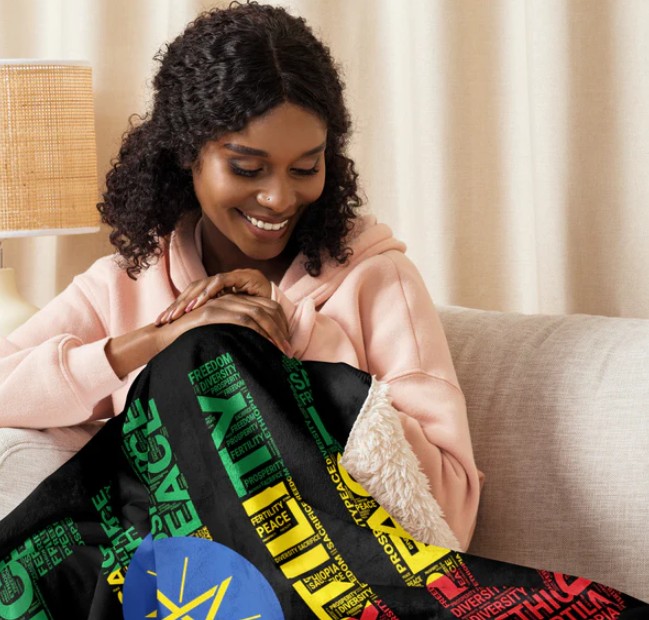
Moving from personal attire to the home, the sherpa blanket offers a universal symbol of comfort, security, and warmth. Named after the Himalayan Sherpa people, the term “sherpa” in this context refers to a specific type of synthetic fabric designed to mimic the thick, cozy wool of sheep. This dual-sided textile—smooth knit on one side, fluffy fleece on the other—has become a household staple across the globe.
The popularity of the sherpa blanket lies in its simple, undeniable appeal: pure, unadulterated comfort. It represents the concept of hygge, or cozy contentment, and is a staple for movie nights, chilly evenings, or simply creating a snug sanctuary within the home. While it doesn’t carry the historical or cultural weight of an African shirt, its widespread adoption speaks to a universal human need for warmth and softness. The sherpa blanket grounds this exploration in the domestic sphere, reminding us that cultural comfort is found not just in the clothes we wear in public, but also in the textiles we choose for our most private spaces.
The Woven Connection
These five keywords—African shirt, African hat, Barbados clothing, Juneteenth shirts, and sherpa blanket—are disparate, yet they are all connected by the common thread of human expression through material culture. They showcase the dual role of textiles: to articulate deep-seated cultural narratives and to fulfill fundamental human needs for identity and comfort.
From the vibrant patterns that declare African heritage, to the lightweight fabrics that capture the spirit of Barbados, to the symbolic messages of freedom on Juneteenth shirts, and finally, to the insulating embrace of the sherpa blanket, our choices in clothing and textiles are rarely arbitrary. They form a rich, living library of history, geography, and personal meaning—a truly global tapestry woven with tradition, creativity, and the enduring quest for both meaning and warmth.